
What is Regenerative Therapy?
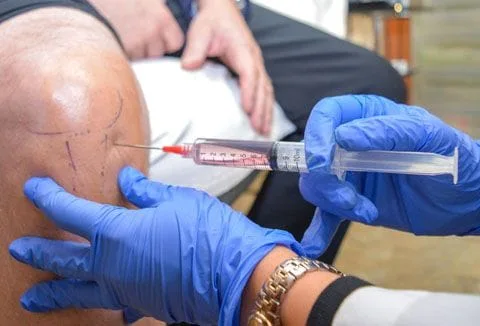
Regenerative therapy involves treatment that aims to aid the body in its natural healing and recovery process. It harnesses the remarkable potential of cells and tissues to mend damaged areas of our bodies. Our bodies possess an incredible ability to self-heal minor cuts and bruises. However, for more significant injuries and as we age, our bodies may require additional assistance. This is where regenerative medicine steps can be effective! It employs various treatments to support the growth of new cells or tissues, which can then replace the damaged ones.
We use a Protein Rich Supplement (PRS) a minimally manipulated, bio-ethical, human umbilical cord harvested product from donated human tissue. It is absent of harmful enzymes and chemicals to preserve integrity.
Tissue transplants repair or replace a joint and its surrounding tissue with new cells and tissue to enhance its function. This treatment not only benefits the specific area being treated but also helps the body heal faster overall. The main purpose of the transplanted tissue is to repair, reconstruct, replace, and support the affected area. Additionally, it aids in promoting new growth in joints that have deteriorated over time. Many patients experience a reduction in pain levels after just one session of this treatment.
How is Regenerative Therapy Used?
There are numerous ways our providers can utilize non-surgical regenerative therapy techniques. For example, it is often common for patients with joint pain, arthritis, ligament tears or mobility issues to undergo this type of treatment. Those who’ve suffered sports injuries or accidents may also benefit from it.
Focusing on treating the cause and not just the symptoms, our providers utilize proprietary treatment protocols that combine regenerative therapy and other therapies to give each patient the best opportunity for recovery. As each patient’s condition is unique, so is their treatment.
However, it is important to note that not everyone is a good candidate for this type of regenerative therapy. In situations where you’ve had a very bad injury or the degeneration of the joint is excessive, undergoing this type of treatment may not be the best option. But, the landscape of regenerative therapy is constantly changing, so it is always a good idea to have a conversation and thorough exam with our providers so they can determine whether they believe it would be helpful in your situation.
What Are the Benefits of Regenerative Therapy?
Patients who have had regenerative therapies are usually quick to tell you that there are tons of benefits. Increased range of motion, reduction in pain, and lowered inflammation are some of the most common. Many people see an improvement within a few weeks, while others start to feel a difference after only one or two sessions.